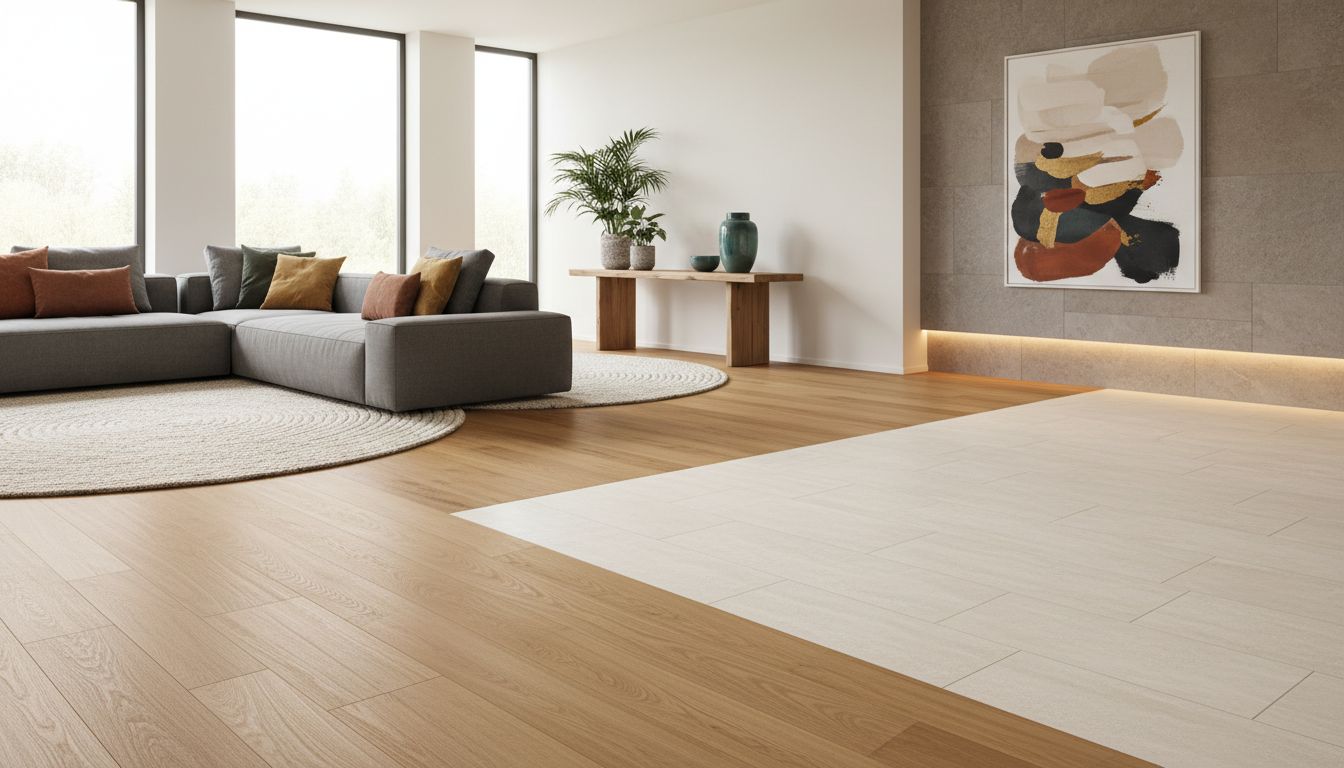
The sixth wall effect describes a shift in interior design where surfaces once treated as background,walls, ceilings, staircases, and built-ins,are now conceived as primary, sculptural elements. Designers and homeowners are moving beyond paint-and-primer approaches to embrace warm, texture-maximizing finishes that add depth, comfort, and personality to a room.
For homeowners and small business owners in West Long Branch, NJ, the sixth wall effect is more than a trend; it’s a practical way to create inviting, long-lasting spaces. From plastered entryways to upholstered paneling in boutique shops, these textured surfaces combine aesthetic impact with durability and are increasingly specified by pros in recent Houzz and Architectural Digest trend reports.
What the Sixth Wall Effect Means for Your Home
The sixth wall effect reframes every surface as part of a contiguous composition rather than isolated elements. That means ceilings, walls, staircases, and built-ins are treated as layers in a larger design language,so your staircase, for example, can feel like a sculptural centerpiece instead of merely a route between floors.
This approach prioritizes tactility and visual warmth: hand-applied limewash, layered plaster, fluting or fluted panels, and textured tiles create a sense of dimensionality that feels intentional and crafted. Architectural Digest’s 2026 forecasting even describes walls as “sculptural statements,” reflecting how surface treatment is moving from background to focus.
For practical projects, the sixth wall effect also encourages collaboration between designers and tradespeople. A successful textured surface often requires skilled installation, from plaster application to professional upholstery, which is why local contractors and finishers are becoming essential partners for homeowners pursuing these looks.
Texture as the New Neutral: What Reports Are Saying
Industry coverage has labeled texture “the new neutral,” and that’s no accident. Houzz’s 2025 U.S. Fall Design Trends Report highlights layered textures,bouclé, grasscloth, plaster, zellige tile, fluting, and handcrafted details,as dominant choices that add warmth and subtle dimension without relying solely on color change.
These layered materials let homeowners create a cohesive, calming backdrop that reads as neutral while still offering visual interest. Instead of stark white or cool gray canvases, texture becomes the quiet backbone of a room, harmonizing furniture, flooring, and finishes.
For local residents, that means you can lean on tactile surfaces to update a room without a complete renovation: textured paneling, artisan plaster walls, or a statement tile installation can lift a space efficiently and with lasting appeal.
Warm Palettes, Color Drenching, and Cozy Interiors
Alongside texture, color direction is shifting. Houzz reports that warm, earthy palettes are replacing the cool grays and stark whites of earlier years, and Architectural Digest’s 2025,2026 coverage links luxury interiors to warm, textured layers of color, pattern, and ornamentation.
Color drenching,painting or finishing an entire space, including ceilings and trim, in one saturated hue,remains strong in forecasts, often paired with texture-rich surfaces to create immersive, enveloping rooms. Houzz noted a 325% spike in searches for “color drenching” in early 2025, underscoring consumer interest in mood-setting finishes.
The result for homeowners is rooms that feel cozy and personalized. Combining warm hues with tactile materials like plaster, wood, or embroidered wall coverings can make living rooms, dining areas, and boutique storefronts feel intentionally curated rather than templated.
Materials and Finishes That Deliver the Sixth Wall Effect
Natural, tactile materials dominate current forecasting: plaster and limewash, grasscloth and woven textiles, hand-glazed zellige tile, fluted wood paneling, and upholstered walls are all popular choices. These materials offer surface depth and an organic feel that machines and mass-produced finishes can’t replicate.
Industry events like Houzz’s Surface Design Show have emphasized materials that marry durability, sustainability, and tactile appeal,important considerations if you want a beautiful finish that stands up to New Jersey’s seasonal shifts and everyday wear.
For homeowners considering an upgrade, it’s worth prioritizing finishes that are both attractive and serviceable: limewash and plaster can be refreshed over time; ceramic and stone tiles withstand traffic; and quality wall upholstery or handcrafted panels can be treated for stain resistance to keep hospitality or retail spaces looking great.
Sculptural Walls, Staircases, and Built-Ins as Centerpieces
Architectural Digest specifically calls out sculptural staircases and walls beyond wallpaper as focal features for 2026. Designers are specifying hand-finished materials, custom tiles, and upholstered wall treatments to turn vertical surfaces into statements that anchor a home’s aesthetic.
This is especially relevant for homes with architectural features,staircases, chimneys, alcoves, and built-in shelving,that can be enhanced with textured finishes. A plaster-wrapped staircase stringer, a limewashed chimney breast, or fluted cabinetry can shift a room’s visual weight and create an intentional sense of luxury.
Because these features often require specialized skills,tile setting, plaster work, upholstery, or custom carpentry,working with a local contractor who understands both the material and the install process is key to achieving a refined, long-lasting result.
Practical Considerations: Installation, Maintenance, and Value
Adopting the sixth wall effect requires planning. Textured surfaces often involve multiple trades: finish carpenters for paneling, masons or artisans for plaster and limewash, tile professionals for zellige and handcrafted tiles, and upholstery specialists for wall coverings. Timing, sequencing, and moisture considerations all affect the outcome.
Maintenance is manageable if you choose the right materials for the space. For high-traffic areas or humid environments, opt for durable tiles or sealed plasters. For living areas, breathable limewash and hand-applied plaster give a lived-in patina that can be refreshed. Surface-design reporting stresses longevity and sustainability,benefits you’ll appreciate over time.
From a value perspective, textured, well-executed surfaces can boost the perceived quality of a property. While some high-end treatments are luxury investments, many textured updates,accent walls, upholstered boards, or artisan tiles,provide a measurable return in livability and buyer interest, especially when photographed for listings.
Embracing the sixth wall effect is an opportunity for homeowners and business owners in West Long Branch to create spaces that feel comfortable, crafted, and distinctly personal. The trend toward warm, texture-maximizing surfaces is backed by recent reporting from Houzz and Architectural Digest, which frames texture and warmth as hallmarks of contemporary and luxury interiors alike.
If you’re considering a textured wall, a sculptural staircase, or any finish work that plays into this trend, our local team offers installation, sanding and staining, and handyman support to help realize the look reliably. Contact us for an on-site consultation to evaluate materials, timelines, and budgets,so your next project delivers both beautiful impact and lasting performance.